Oct 30, 2026Applications & Safety
Oxygen Cylinder Safety FAQ
What an oxygen cylinder is, how to check it before filling, how to store it, and three common misconceptions that lead to unsafe handling. Check them first.
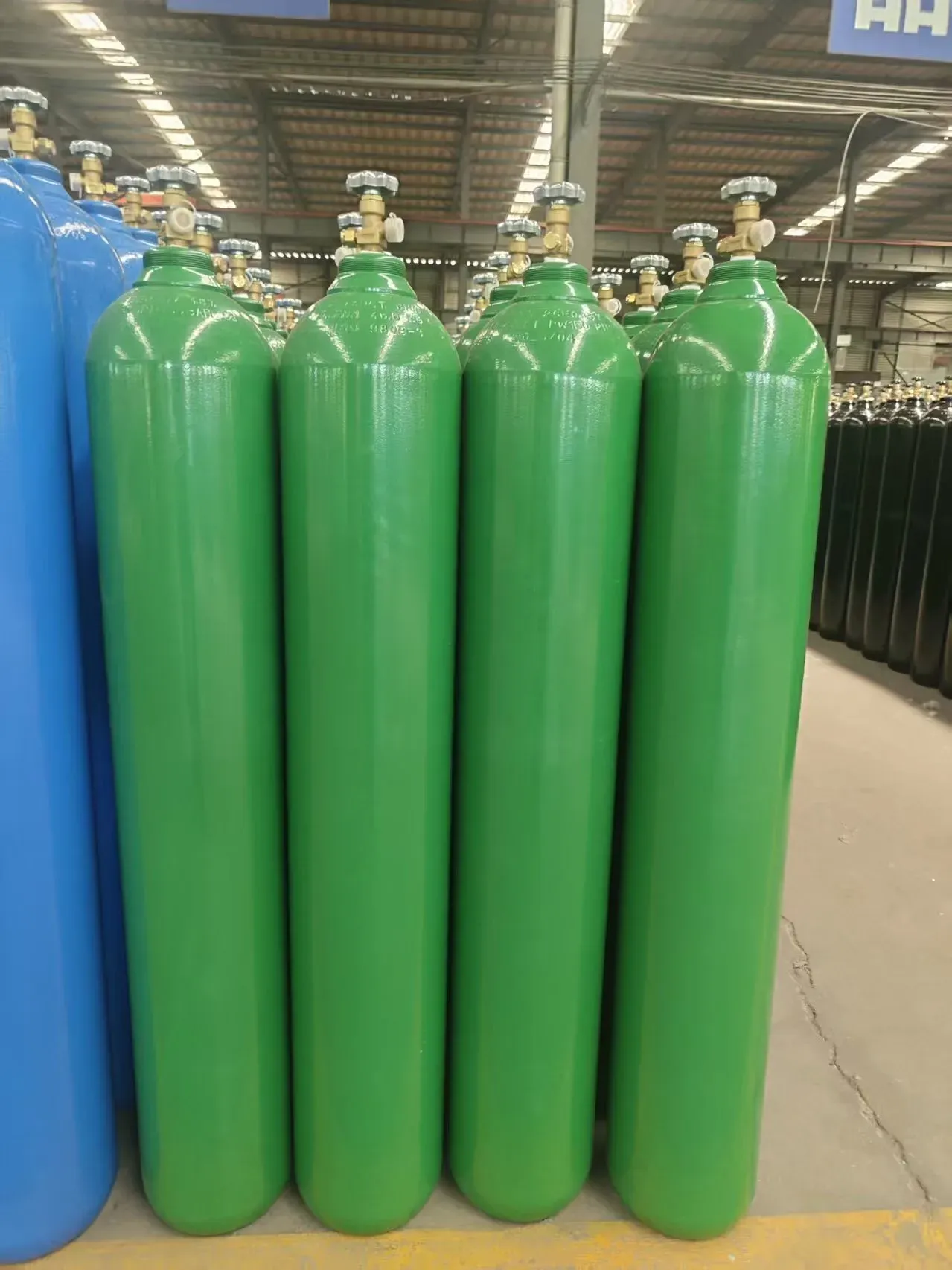
Oxygen cylinders appear in hospitals, fire departments and diving operations, and they also move through industrial gas distribution. This page covers what an oxygen cylinder is, how gas leaves the cylinder, and what to check before you fill, store or move one.
Basic Knowledge of Oxygen Cylinders
An oxygen cylinder is a container for storing high-pressure oxygen. Cylinders are commonly made of steel or aluminum. In the range we supply, oxygen cylinders are seamless steel, formed in one piece. The shell is supplied at 150 bar working pressure for oxygen; our wider range includes 200 bar cylinders for other gases.
Gas leaves the cylinder through the valve, and a regulator reduces the high pressure to the level the application needs. Check both before use for damage, oil or grease, and leaks. A damaged or contaminated valve or regulator should not be used.
Seamless cylinders have no longitudinal weld. They still require inspection and correct handling: seamless construction is not a substitute for either.
Precautions for Using Oxygen Cylinders
Oxygen cylinders are common, and careless handling is dangerous. Four checks matter most.
Check the Cylinder Before Use
Look for visible damage, deep scratches and rust. Oxygen is colorless and odorless, so a leak will not be visible: check for leaks with an approved oxygen-compatible leak-detection solution, never with a flame. If the cylinder is damaged, or its test markings cannot be read, take it out of service.
Open the Valve Slowly
Turn the valve slowly. A sudden release of high-pressure gas can damage the regulator and injure the person opening it.
Keep Oxygen Away From Ignition Sources
Oxygen is an oxidizing gas. Keep cylinders away from open flame, high temperature, smoking, sparks and electrical equipment. Keep oil and grease away from valves and regulators: in the presence of oxygen, they can ignite.
Secure the Cylinder
Store and move cylinders upright, secured with a stand, chain or rack so they do not fall over.
How to Maintain Oxygen Cylinders
Maintenance comes down to regular inspection and correct storage. Read the cylinder pressure at a known temperature, or weigh the cylinder, so you know how much gas is left. Store cylinders in a dry, well-ventilated area away from direct sunlight.
Requalification intervals are set by the market where the cylinder is filled and by the gas service it carries. Requalification is carried out by a qualified inspection body, and a cylinder past its interval, or without valid test markings, should not be filled.
Common Misconceptions
Cylinders Can Be Stacked Any Way
They should not be. Oxygen cylinders should be stored upright and secured, not piled on their sides or stacked loose.
Cylinders Never Expire
Steel cylinders do not age quickly, but regulated markets set periodic requalification intervals, and some also set a maximum service life. Follow the interval that applies where the cylinder is filled.
Every Oxygen Cylinder Contains Only Oxygen
A cylinder labeled for oxygen may have been filled with a different gas, or mislabeled. Color alone does not confirm the contents. Check the label and the valve outlet, and confirm the gas with the supplier before use.
What to Do in an Emergency
If a cylinder is leaking, do not try to stop it yourself. Keep ignition sources away, evacuate the area, and call the fire service and your gas supplier. Only trained personnel should attempt to close the valve, and ventilation should only be attempted if it can be done without approaching the leak. Never repair a valve or a cylinder yourself.
Summary
Using and maintaining an oxygen cylinder is basic safety work: check the cylinder and its test markings, store it upright and dry, respect the requalification interval, and never assume what is inside. If a cylinder is unclear, ask before you fill it.
Sourcing oxygen cylinders? Send the working pressure, the quantity and the destination port, and we will confirm the size, the valve and the documentation we can provide for your market.
Last updated: 30 October 2026. Image: illustrative.